
Best color to wear
Wear a solid mid-tone or darker top.
Navy, charcoal, medium blue, muted green, burgundy, or similar colors usually separate well from a light background.
Wear simple everyday clothing that keeps your face and shoulders easy to see. Solid mid-tone or darker colors usually work better than white when the background is light, and it is safer to avoid uniforms, large accessories, reflective fabrics, and anything that distracts from the face.
This page covers the safest shirt colors, what not to wear, white-background contrast, jewelry and styling risks, and how clothing choices fit into the final passport-photo review.
Best default choice
Solid contrast
Mid-tone or darker tops usually separate better from a light background than white clothing.
Safest outfit style
Plain + simple
Everyday clothing with a simple neckline is safer than loud prints, uniforms, or bulky layers.
Important note
Clothing helps the photo look clean, but outfit choice does not replace the real compliance checks for background, lighting, size, pose, and document-specific rules.
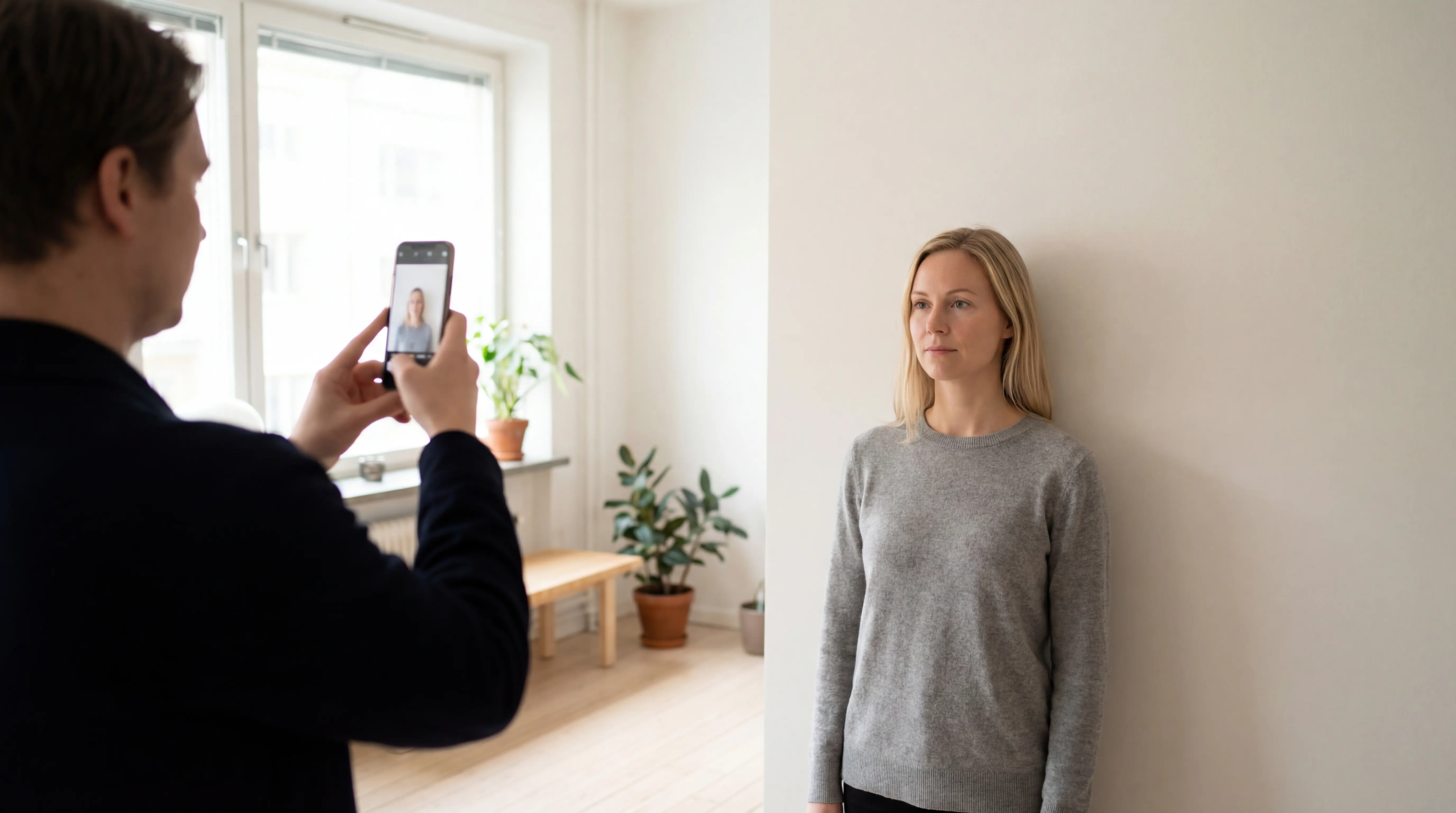
Choose the document preset, then use PhotoID's built-in camera against the background and lighting you plan to use. Clothing should remain distinct from the wall without patterns, glare, or deep shadows competing with the face.
Outfit choice should make the face and shoulders easy to review. Use these short rules before checking the full photo for size, background, lighting, and crop.
Wear a solid mid-tone or darker top.
Navy, charcoal, medium blue, muted green, burgundy, or similar colors usually separate well from a light background.
A white shirt can blend into a white or off-white background.
If the shoulders disappear into the background, choose a darker solid top and retake the photo.
Avoid uniforms, camouflage, costumes, and outfit styles that look official or theatrical.
Everyday clothing is the safer default unless the exact document rules say otherwise.
Keep accessories small and non-reflective.
Nothing should hide the face, create glare, cast shadow, or pull attention away from facial features.
The safest choice is normal clothing you would wear day to day. It should look natural, not formal for its own sake, and not costume-like.
Many document photos use a white or off-white background, so clothing should help the face and shoulders stand out cleanly.
Anything that blocks the face, creates glare, or pulls attention away from facial features increases risk.
A good shirt alone does not make the photo compliant. Lighting, background, expression, and crop still matter.
The right clothing choice depends on the background and lighting. The safest outfit is simple enough to disappear as a distraction, but visible enough to keep the shoulders clear.
| Choice | Works when | Watch for | Recommendation |
|---|---|---|---|
| Solid dark or mid-tone top | The background is white or off-white and the shoulders need clear contrast. | Very shiny fabric can create bright reflections. | Best default |
| White or pale shirt | Only when the background is not also very light and the shoulders remain visible. | Blending into the background or losing shoulder outline. | Usually avoid |
| Patterned clothing | The pattern is subtle and does not distract from the face. | Busy prints can make the final image look less official. | Use carefully |
| Suit or formal top | It looks like normal clothing and does not resemble a uniform. | Heavy collars, dark shadows, or glare from accessories. | Acceptable |
Because many passport-style photos use a white or off-white background, white shirts can flatten the image and make the shoulders blend into the wall. Navy, charcoal, medium blue, muted green, burgundy, and similar solid colors usually create better contrast.
Small everyday accessories are usually less risky than statement pieces. The main rule is that nothing should hide the face, cast shadow, or create glare that competes with the facial features.
Clothing is only one part of the result. After choosing the outfit, you still need the correct size, a clean background, even lighting, a compliant expression, and the right export mode for print or digital upload. Use the related pages below when your main question shifts from clothing into setup, size, or document-specific rules.
Clothing is only one part of the result. Use the app flow to check background, crop, lighting, clarity, and final output before printing or uploading.
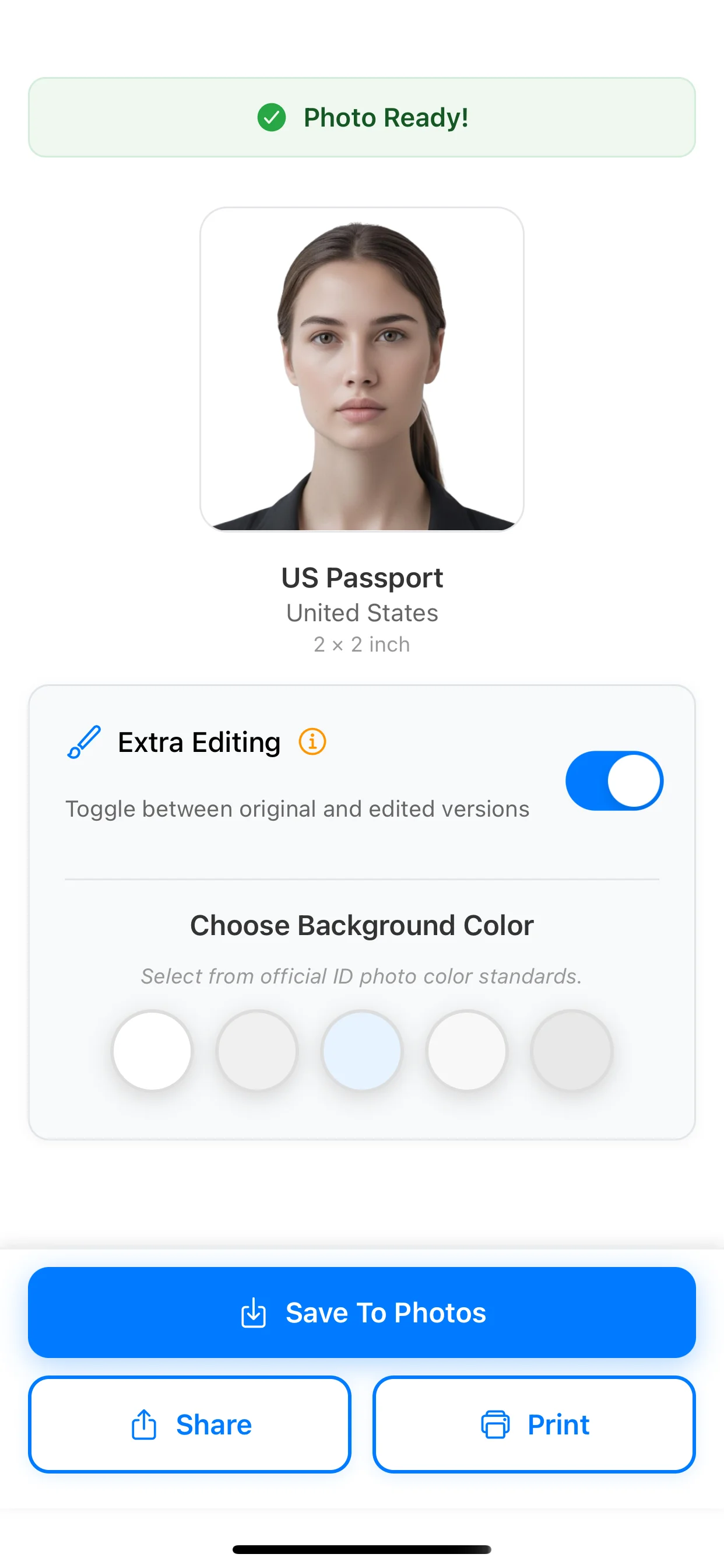
Use the right preset, look at the outfit inside the real frame, run AI checks, and compare the final result against the document rules.
Start with the correct document preset before deciding whether the outfit still works on the final image.
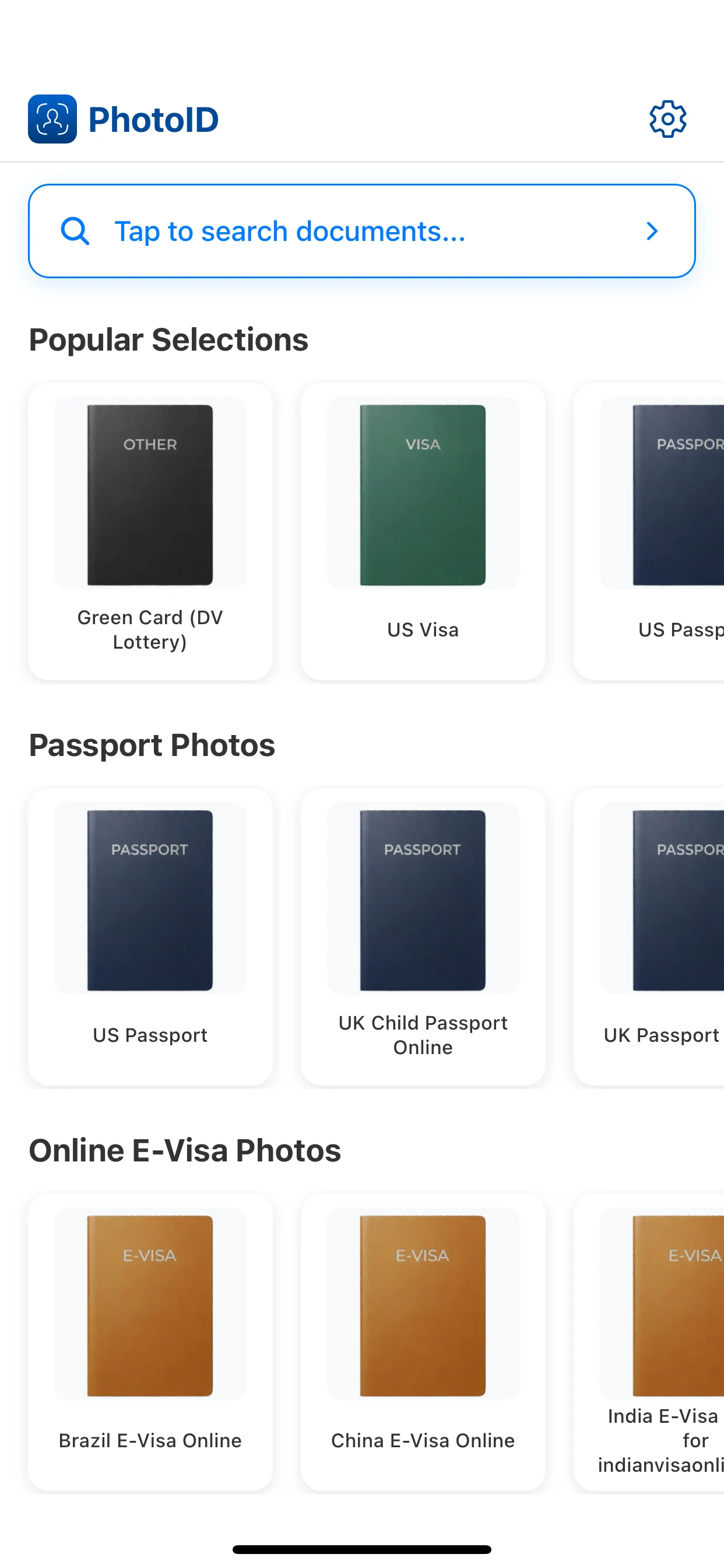
Check contrast, neckline, hair placement, and whether anything reflects light before you keep the shot.
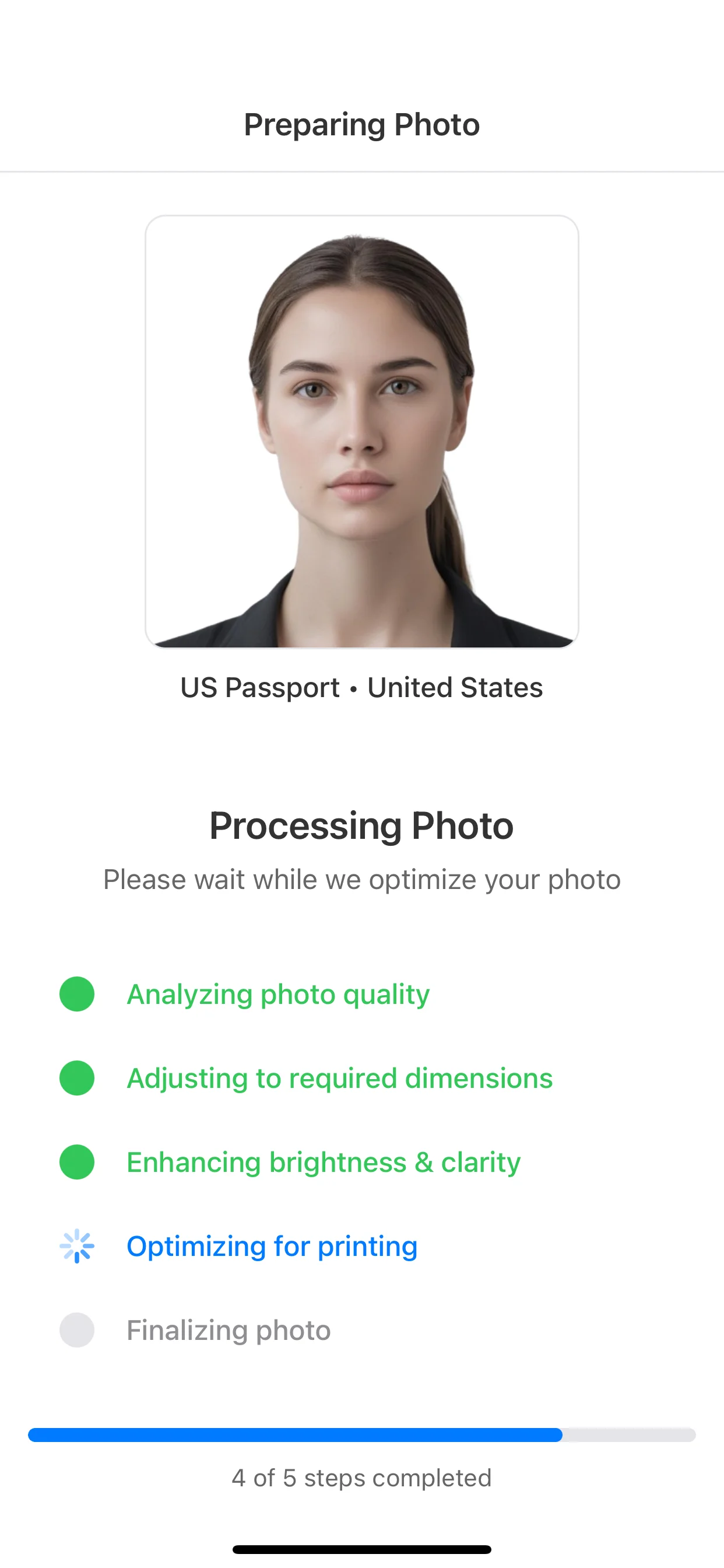
Use the review step to catch background, framing, lighting, and clarity issues that matter more than fashion.
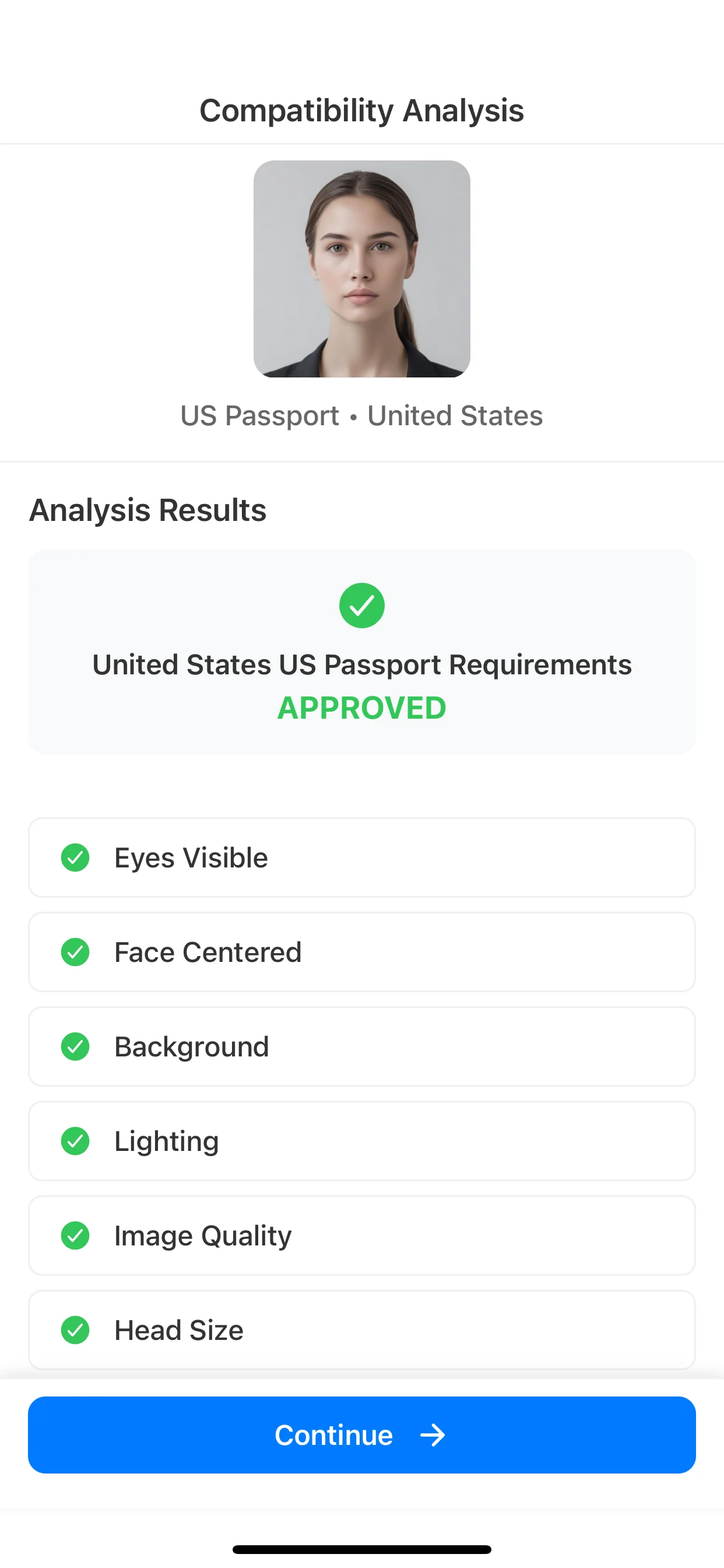
Use the final image for digital submission or print after checking the exact document rules.
How to take a passport photo at home
Capture guide
Use this when you need setup help for lighting, background, phone position, and framing.
Passport photo size guide
Size hub
Open this if your main question is dimensions, inches, cm, pixels, or 2x2 vs 35x45.
Passport photo background
Background guide
Use this if the outfit is fine but the wall, sheet, or background shadow is still the main problem.
U.S. passport photo requirements
Money page
Use the full requirement page for size, head measurements, rejection risks, and official U.S. rules.
U.S. visa photo requirements
Money page
Open the visa page when digital-image limits matter as much as clothing and appearance.
Green card photo requirements
Related flow
Useful when your clothing and appearance choices need to fit an immigration-style 2x2 workflow.
Wear normal everyday clothes that keep the face and shoulders clearly visible. Solid colors with some contrast against a light background usually work better than white, uniforms, or distracting patterns.
You can, but it is usually not the best choice because many passport photos use a white or off-white background. A medium or darker solid color usually creates cleaner contrast.
Solid mid-tone or darker colors are usually safer than white, pale beige, or highly reflective fabrics. The goal is simple contrast so the face outline stays clear against the background.
In most cases, no. Everyday clothing is safer than uniforms, camouflage, or outfit styles that look costume-like.
Small everyday jewelry is usually less risky than large or reflective accessories. Avoid pieces that cover the face, create glare, or draw attention away from your features.
Light everyday makeup is usually less risky than dramatic styling. The key is that your current appearance stays recognizable and your facial features remain clearly visible.
Yes, if it looks like normal clothing and does not create distraction or heavy shadowing. Formal clothes are acceptable if the face remains clearly visible and the outfit does not resemble a uniform.
Keep baby clothing simple, non-bulky, and easy to position. Avoid hoods, large bibs, bright costume-like outfits, and fabrics that push up around the face.
Start with the right preset, run AI checks, and prepare a result for online submission or print-ready output.
Available on iOS and Android